

Here’s everything you need to know about the world of television for Friday, March 13th, 2026:
EVEN YOGA HAS A TRUE CRIME COMPONENT
Today, the three-part true crime docuseries Twisted Yoga premieres on Apple TV and here is the official logline:
Twisted Yoga follows a group of young yoga students from around the world drawn to the ancient practice in search of inner peace and purpose, only to fall under the influence of reclusive Romanian ‘guru’ Gregorian Bivolaru, the spiritual leader of an international network of yoga studios specializing in tantric rituals. As they begin to fear they’ve joined a cult, they discover that Bivolaru, who often summoned select female students to his Paris apartment for private initiations, has a dark past. Bivolaru now faces charges in France, including human trafficking, kidnapping, and rape, allegations he denies, as these women work with French authorities to convict him.
I recently had the opportunity to speak with Suzanne Lavery, Executive Producer at LIGHTBOX and director Rowan Deacon. We talked about a wide range of subjects, including the challenges of producing a program that faithfully tells the story while still protecting the victims.
The conversation has been lightly edited for clarity (mostly mine):
Suzanne, What was it about this story that made you think not only this is one worth telling, but this is one that we can tell in a way that's entertaining and informative?
Suzanne Lavery: I think we were really drawn to this story because of this strength of purpose coming from the contributors. They reached out initially, they started the whole thing. But when we heard their story, when we spoke to them, when we really got into the experiences that they'd had, we thought this is just mind blowing.
And it's both universal in the themes about people searching for something in their lives, searching for meaning and context and community. But it's also utterly extraordinary and unlike any other story we'd heard before. So we thought it was amazing.
From Lightbox, we went to Apple TV, who also thought it was amazing. So it was actually quite a quick process, because I think there was an undeniable aspect to this story that it just really demanded to be told.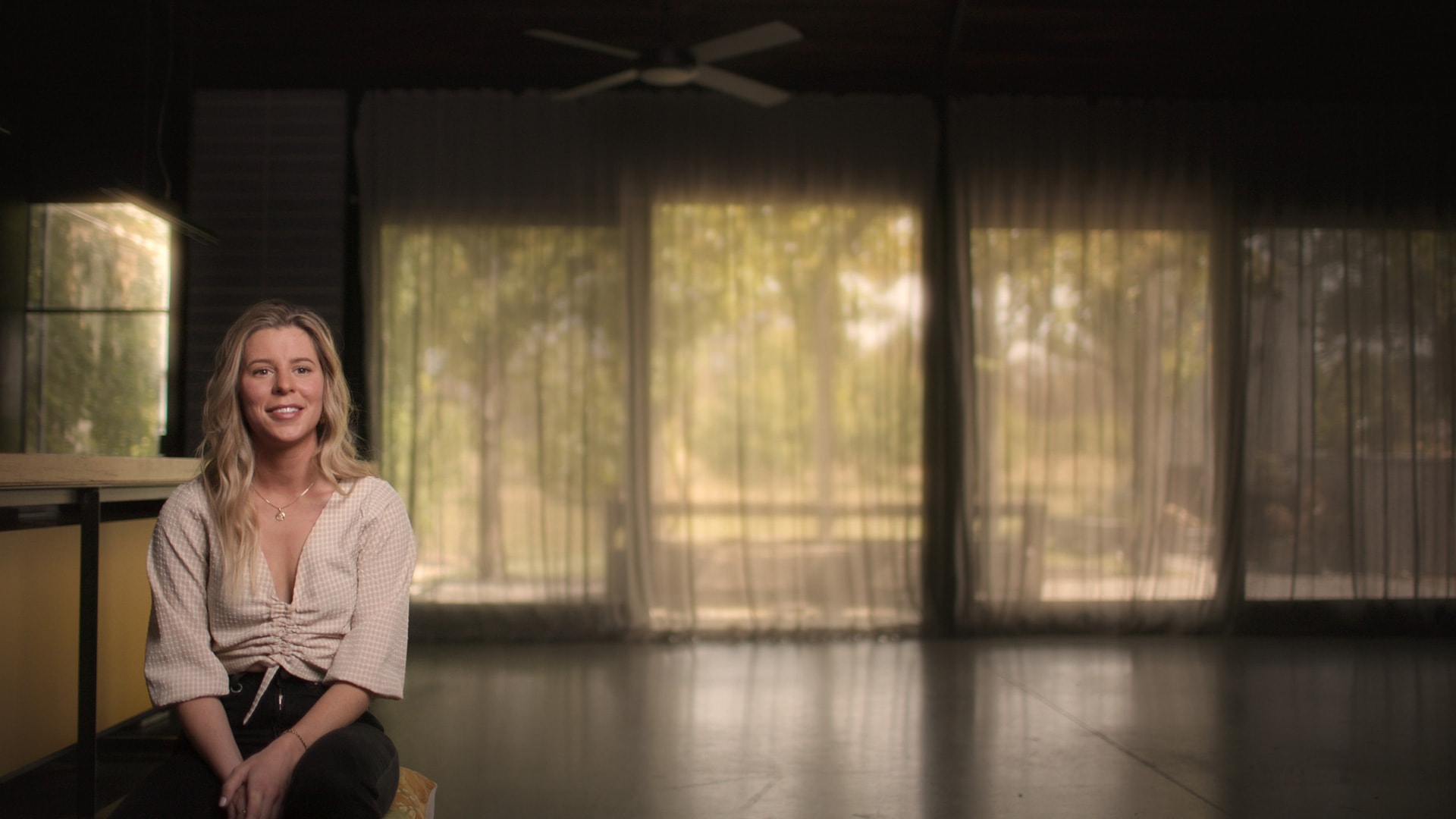
Rowan, this is a story that has a lot of intimacy to it. There are a lot of difficult stories that people are telling. It's also something that, from what I can tell, is still in the midst of legal proceedings. So how do you tell that story? You don't want to manipulate people. You don't want to put them in a light that isn't representative of where they are.
Rowan Deacon: Yeah, absolutely. From the very outset, we decided that this would be told very much from the people who were in the school's point of view. So we decided that this wouldn't be a kind of coolly investigative piece, more of a true crime story where the investigators and the journalists lead.
The story would be told from the position of the people who had been in the school, and also that the plot point would be that the audience would be going on the journey with these people, rather than being a kind of hindsight told that this was a terrible thing that they were involved in. So we wanted it to be quite experiential and that that would kind of do service to the women's experiences, without being sensationalized or kind of coolly looked at from an investigative distance. So the structure of the films are deliberately in that order.
The audience goes with them rather than kind of standing back and wondering why are they doing these things. And also we deliberately used visuals and music to allow that experience for the audience to be immersive. So that they could understand, feel like there but for the grace of God go I, that this is something that could have happened to my daughter, that could have happened to someone I know. Because these women's abilities to describe their own experience and to articulate the kind of processes by which they underwent a belief in the ideology are nuanced and complex.
Suzanne, I was actually part of a documentary a couple years ago and the producers were sued and they're still in court. And that's not an uncommon situation for this type of show. So can you just talk a little bit about the legal process of making sure that everything is as airtight as it can be, because it's definitely a concern, I'm sure.
Suzanne Lavery: That's one of my favorite parts about my job, but also the one that perhaps keeps me up at night. So yeah, there is an unfolding case here. There is a lot of interest around it.
So we just had to really, really do our due diligence and make sure that we could corroborate every piece of evidence that we put on screen, that we could build up. We spoke to our cast, we were very selective about who went on camera, but behind that there was a huge amount of research and a huge amount of women who generously shared their stories with us who didn't necessarily want to go on camera. So we were able to corroborate strangers to each other, their experiences, and from that we could build patterns and then we could present these things to our lawyers and say, you know, we feel pretty confident about this.
It's hard if there isn't a witness in a room and it's he said, she said. We were able to really corroborate with a wide selection of women's experiences and we could feel confident in what we were putting on screen. And then we reached out to the guru through his lawyers, we reached out to the various schools that we featured, we gave them the opportunity to comment.
It's a very rigorous but important process in just trying to make sure that we can fully stand behind everything that we put on screen.
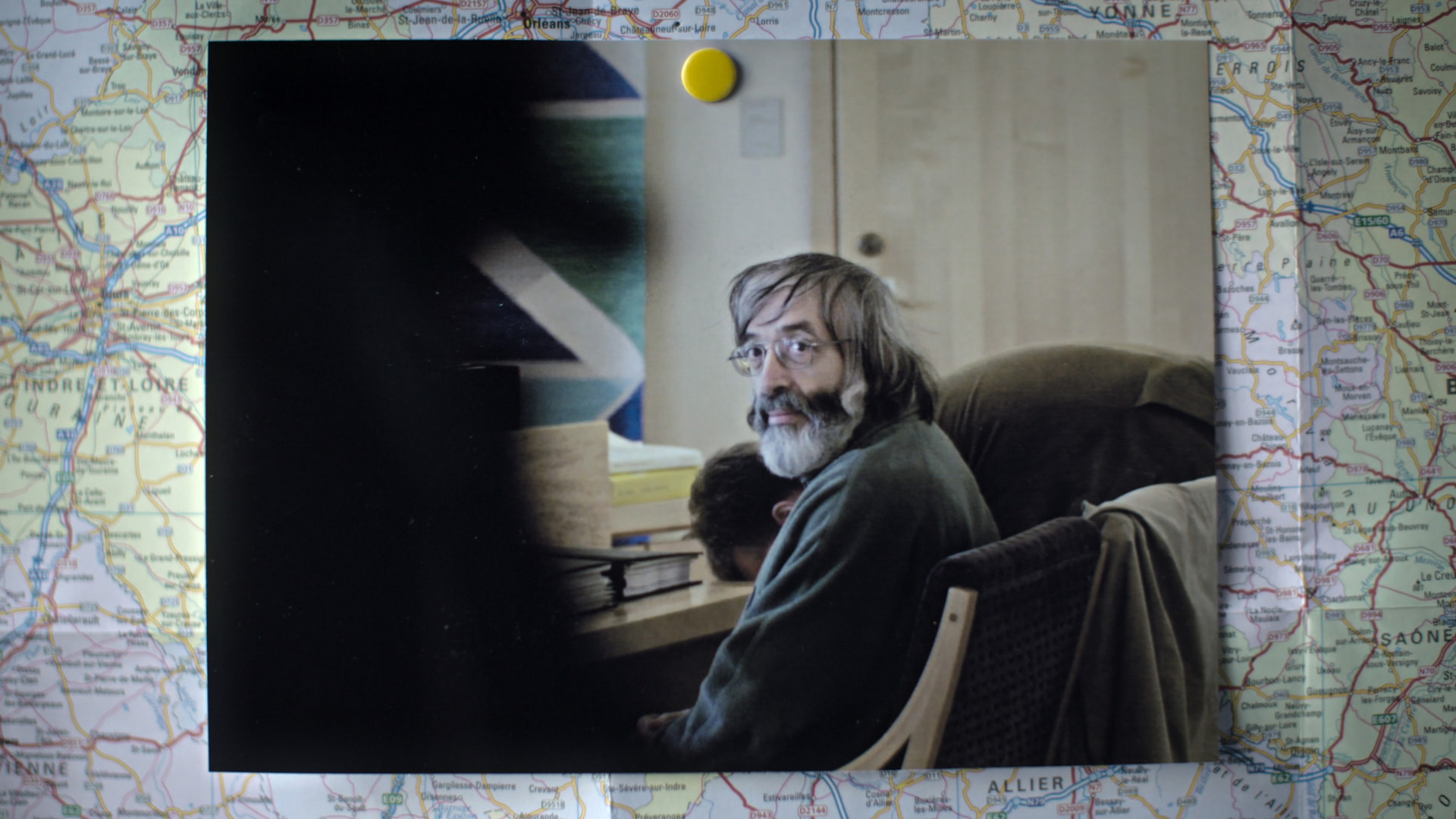
This is such an unusual story. Certainly when I was watching, I thought, you know, how is this possible? How does this happen? What was your reaction when you started to dive into this story and you started hearing people's experiences and learning what had been going on?
Rowan Deacon: My reaction, like yours, was, I guess, shock. That was what got me into the project, was a kind of, I can't believe this has happened, and also sort of now. And I think that it was, I mean, it was deliberate that we decided that the story here, because there's lots of stories, right?
There's the story of the women who have undergone the process of getting involved in the organization, and then there's the Guru's backstory. The French police department had been investigating him, and you get him to custody and now he's awaiting trial.
So I think to answer your question, I felt like the story here that I'm most interested in telling, that I'm most curious about, that I think the audience would be most surprised by, is a psychological drama. It's an internal story of, someone might call it indoctrination, or immersion in an ideology or a dogma.
And so I wanted to use all of our documentary tools of music and visualizations to really allow the audience to experience what that's like, because I felt that that was the action in this story. It was an internal action, rather than one that could shown like a heist. And so I was excited by the possibility of how we might bring that to life using visuals and reenactments, and that's what we set out to do.
Having talked to a lot of people who do these type of programs, you go into this thinking this is going to be a great story, but there's always a point where you see a piece of footage, or you hear a story, and you think, okay, I've got an actual show now. I'm going to be able to take all these disparate parts, this is going to be something. Was there a moment for you where you realized, okay, this is going to be what I think it's going to be?
Suzanne Lavery: Yeah, there were several. Starting out with the amazing cast that we had, who were on board from the beginning, we knew we had great storytellers and great stories to be told. What we didn't know, because it is an unfolding story, was what the end point would be, and it's always quite nice as a producer when you're faced with the edits running, to know where you're actually going.
We didn't, but it was okay, because about halfway through production, we got the news, actually while Rowan was filming in Australia with Ash and Ziggy and Bonnie, some of our key contributors, we got the news that the Guru had been arrested in Paris. And I think for me, at that point, I thought, okay, we know we have an ending, we don't know what else might happen, but we know that there's a trajectory, there's a beginning, middle, and a potential end to the story.
So that, to me, felt like a very reassuring moment in production. So yeah, that was a big turn up for me, and I know that all the contributors that Rowan was with at the time were extraordinarily emotional about it as well.
Rowan Deacon: Like Suzanne says, there were loads of aha moments. Going into the Securitate files in Romania, where we asked a Romanian journalist to get access to Gregorian Bivolaru's Securitate file. Because we realised that the secret police still hold all these files, because we wanted to really understand whether the narrative that the school put out about him being a communist hero, a communist dissident, was true. And when she said, oh, I found the files, that was another one of those moments, where we were like, okay, there's another scene there that's really explosive.
ODDS AND SODS
* Peacock is adding full vertical video for live sports, casual games like Jeopardy! and one based on Law & Order, and an AI avatar of Andy Cohen to lead viewers through their personalized "Bravoverse." Which honestly sounds a bit frightening, but I guess we'll see.
* The Vampire Lestat, the third season of Interview with the Vampire, will premiere Sunday, June 7th on AMC and AMC+.
AN INSIDER'S LOOK AT THE WARNER BROS. DISCOVERY MERGER
Someone who holds some tech position at Warner Bros. Discovery has begun posting anonymously about what it's like to work at a company that is going through a second merger and the first post is filled with amazing details:
The town hall started a couple minutes late because Zaslav couldn’t figure out if they were live. Hot mic. Thousands if not tens of thousands of us already on the Zoom, just watching him fumble with it. That’s how we were told our company had been sold for the second time in three months: a few seconds of our CEO asking someone off-screen if people could hear him yet.
I've written a great deal about the various tech stacks and UI issues at the different streamers and it's an underappreciated problem. There are plenty of industry analysts capable of talking about "scale" or licensing windows. But the thing most customers deal with on a daily basis is the ease of use of the streaming platform. Which is why I was so happy to see this takedown of David Ellison's claims about his efforts being "tech forward:"
The core streaming tech team powers HBO Max, discovery+, CNN’s streaming, and Bleacher Report’s digital products. One platform, four brands, hundreds of millions of streams. It’s not perfect but it works well and it works at scale and good people built it.
Paramount+ is widely considered the worst major streaming app. I’m not just being bitter, go use it. Go try it on a Fire Stick and time how long it takes to load. Over a minute, usually. It has a 2-star consumer rating from thousands of reviews. Crashes constantly on Fire TV and Xbox and PlayStation and Samsung TVs. Resolution gets stuck at 480p. The whole thing is held together with tape. Everyone in the industry knows this.
I don't know who this person might be, but I'd love to have them talk to me confidentially. And that offer goes out to anyone else at Paramount Skydance or Warner Bros. Discovery. Particularly if you work in the tech part of the business. You can email me at
TWEET OF THE DAY
WHAT'S COMING TONIGHT AND THIS WEEKEND
FRIDAY, MARCH 13TH:
* Bodycam (Shudder)
* Celebrity Jeopardy Season Premiere (ABC)
* Dynasty: The Murdochs (Netflix)
* Fatal Seduction (Netflix)
* Great British Baking Show: Juniors Season Premiere (The Roku Channel)
* Let's Murder Like It's 1999! (LMN)
* Mama June: From Hot to Not Season Premiere (WE tv)
* That Night (Netflix)
* This Farming Life Season Premiere (BritBox)
* Twisted Yoga (Apple TV)
SATURDAY, MARCH 14TH:
* All Manners Of Murders (Hallmark)
* Rooster Fighter Series Premiere (Adult Swim)
* The Boy With My Son's Face (Lifetime)
* The Madison Series Premiere (Paramount+)
SUNDAY, MARCH 15TH:
* Boarders Season Three Premiere (Tubi)
* 98th Annual Academy Awards (ABC)
* Property Brothers: Under Pressure Series Premiere (HGTV)
* The Seemingly Perfect Family (Lifetime)
SEE YOU MONDAY!